
Four Things, in Order of How Often We Find Them
Ice, pressing
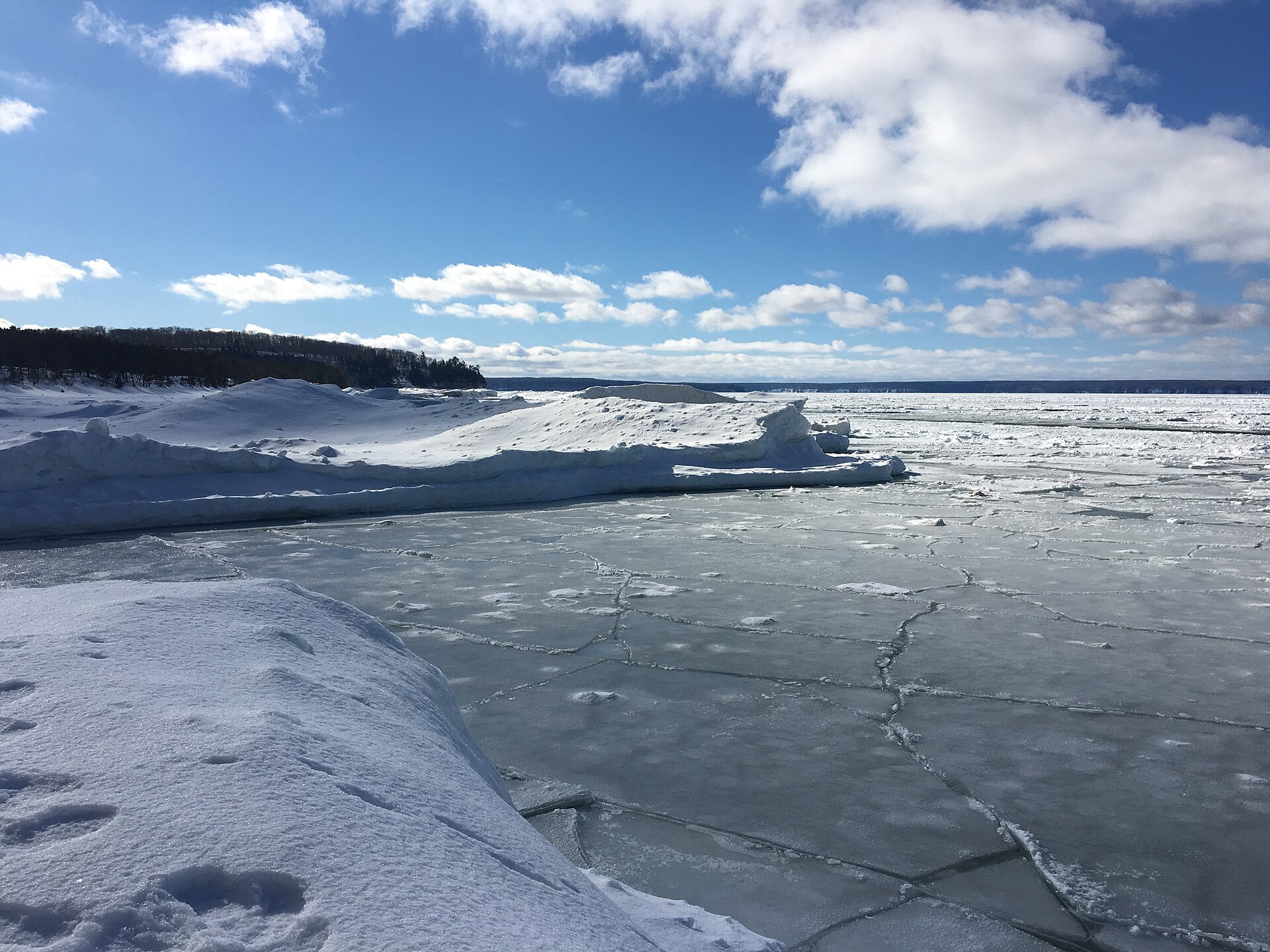
On sheltered water — Alton Bay, the backs of the coves, Webster Lake, the Suncooks — ice does not usually move dramatically. It presses. It bends pipe a few degrees, splays a footing outward, compresses a frame out of square. Every symptom is small, none is visible from the deck, and the effect is cumulative across winters until something gives under load.
Ice, moving
On exposed frontage — the Gilford shore, the Moultonborough points, island properties — ice has room to travel, and when it does the damage is sudden and obvious. Sections displaced, footings sheared, cribs shifted. Less subtle, more expensive.
Wake, relentlessly
Paugus Bay, the Winnipesaukee channels, anywhere with steady summer traffic. This is not storm loading; it is a constant small working of every fastener on the structure, hour after hour, all season. It loosens through-bolts and brackets without ever doing anything dramatic enough to notice. Annual hardware checks catch it while it is still a tightening job rather than a replacement one.
Time, on decking and hardware
Pressure-treated boards cup and split. Fasteners corrode. And the fixings that matter most for safety are the ones on ladders and railings, because those are the ones people put their full weight on without thinking about it.
We Look Under the Water, Not Just at It
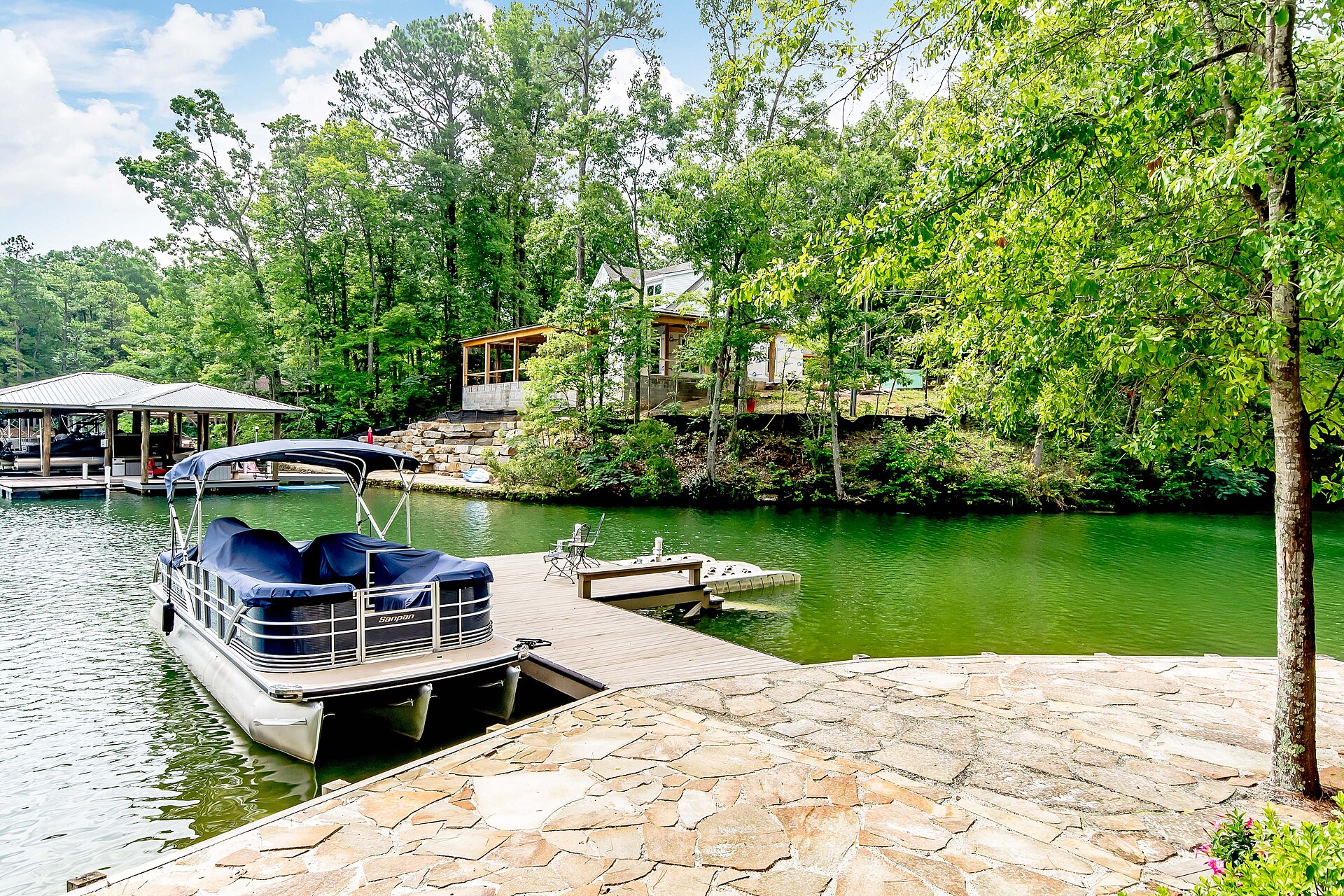
A spring dock assessment that consists of walking the deck and pronouncing it fine is not an assessment. The failures that matter are at and below the waterline: footings, pipe, crib condition, and the connections between sections.
So we check what is actually holding the dock up, photograph it above and below the waterline, and give you a written view on what needs doing now, what can wait a season, and what does not need doing at all. That last category is real and we say so — plenty of what looks alarming to an owner is cosmetic.
- Spring assessment with photographs above and below the waterline
- Ice damage found at the footings rather than guessed at
- Hardware checked and re-torqued, not just eyeballed
- Decking and railing safety addressed properly
- Honest repair-versus-replace advice on old cribwork
- Repair-in-kind versus reconstruction flagged before you commit
The Question That Should Come Before the Engineering One
This region has a great deal of old crib dock, much of it predating current permitting, and on those structures there is a regulatory question that needs settling before anybody orders materials.
Repair in kind of an existing legal structure is treated differently from reconstruction or expansion. An existing legal dock may carry a status that a replacement would not inherit — which means a decision made casually on site can have consequences that outlast the dock. NHDES also operates a voluntary registration for existing legal non-tidal structures: once accepted, it exempts the structure from needing future repair or replacement permits for the term, typically five years.
We raise this at the assessment rather than after, and the permit wizard will orient you on where a given project sits. It is not legal advice and NHDES is the authority — but knowing the question exists is most of the battle.
What Repairs Cost
| Work | Typical range | Notes |
|---|---|---|
| Hardware check and re-torque | $250–$600 | Best done annually; catches wake damage early |
| Decking replacement, partial | $400–$2,500 | Board count and material |
| Pipe straightening or replacement | Per footing | Count and access drive it entirely |
| Ladder or railing repair | $350–$1,200 | Safety item — do not defer this one |
| Crib repair | Quoted after inspection | What is visible above water rarely tells the whole story |
| Storm damage assessment | Prioritised | Tell us it is storm or safety related |
Repair Questions
My dock looks fine after the ice went out. Do I need it checked?
Probably. The damage ice does most often is compression at the footings and loosening at the hardware, and neither is visible from standing on the deck. A dock that looks level and solid can be sitting on a bent pipe or a splayed footing that will fail under load in July, which is a considerably worse way to discover it.
Is it worth repairing an old crib dock?
Frequently, and there is a strong regulatory reason as well as a structural one: an existing legal structure may carry a permitting status that a replacement would not inherit. Settle that before the engineering decision. That said, we will tell you honestly when a crib is genuinely past saving rather than selling you repairs on something that needs rebuilding.
How fast can you get to storm damage?
Tell us it is storm or safety related and we prioritise it. A dock with a failed footing or a compromised railing is a hazard rather than an inconvenience — keep people off it until it has been assessed, and tell us that is the situation when you get in touch.
Can you repair a dock you did not install?
Yes, routinely. A good deal of our repair work is on structures somebody else built, and on docks whose original installer is long gone. Bring us photographs and we will tell you what we can see before we come out.
Will my insurance cover ice damage?
Sometimes, and it depends heavily on the policy and on whether the damage reads as a sudden event or as deferred maintenance. Photographs from the previous autumn's removal are genuinely valuable here, which is one of the quieter arguments for a contractor who documents every visit.